American History Classics
Historian Samuel Eliot Morison said we ought to read history because it will help us behave better. I read that in a speech by historian David McCullough which was included in a collection of his work entitled History Matters. The great advantage that history has in the field of self-improvement is that when it is well-told it is terrific entertainment. What is listed here will be, I hope, a balance between what was important and influential and what is now significant and trail-breaking.
The Great Crash, 1929
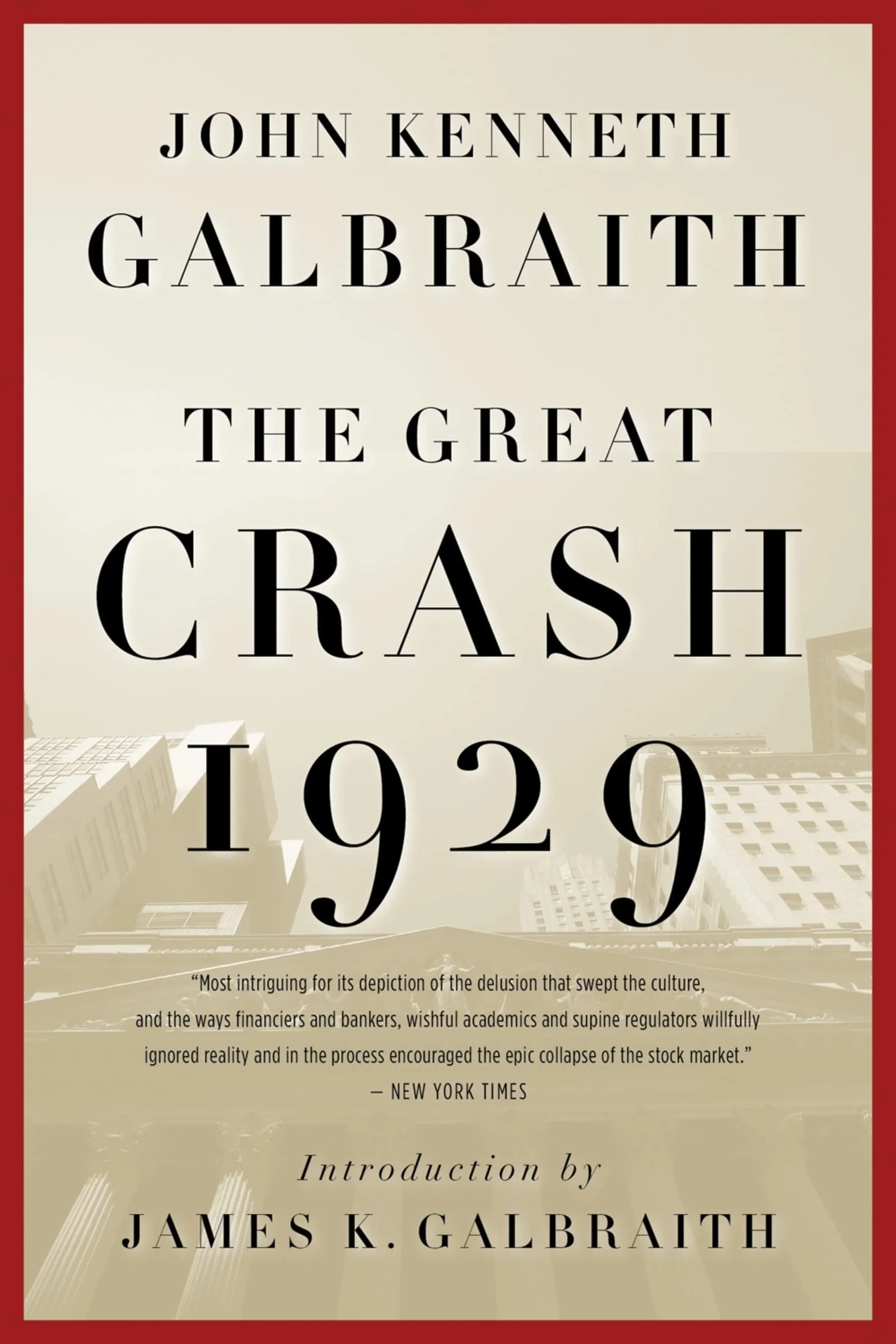
The Great Crash, 1929
John Kenneth Galbraith's classic examination of the 1929 financial collapse.
Arguing that the 1929 stock market crash was precipitated by rampant speculation in the stock market, Galbraith notes that the common denominator of all speculative episodes is the belief of participants that they can become rich without work. It was Galbraith's belief that a good knowledge of what happened in 1929 was the best safeguard against its recurrence.
Atlantic Monthly wrote, "Economic writings are seldom notable for their entertainment value, but this book is. Galbraith's prose has grace and wit, and he distills a good deal of sardonic fun from the whopping errors of the nation's oracles and the wondrous antics of the financial community."