
Amy Tan
Amy Tan, born February 19, 1952, in Oakland, California, is a novelist, memoirist, children’s book writer, and most recently a close observer of birds, painting and writing personal essays thereof. She is best known for her first novel, The Joy Luck Club (1989), published when she was 37. She had served unwittingly a long apprenticeship as a business writer for large corporations, which undoubtedly contributed to the clarity of her prose, a pragmatic flow of information and imagery under firm and confident management. Her parents are first-generation Chinese-Americans, and she has chosen emigration and assimilation - and continuity - as a theme in her fiction. Because of this, Tan has been interpreted as a “representative” writer, someone expressing wide cultural generalities, which she has rejected, and which, frankly, any unbiased reader finds a misguided criticism. Read her for being Amy Tan, an excellent writer, an empathetic human being, an observant artist. Enjoy and marvel.
The Joy Luck Club [hardcover]
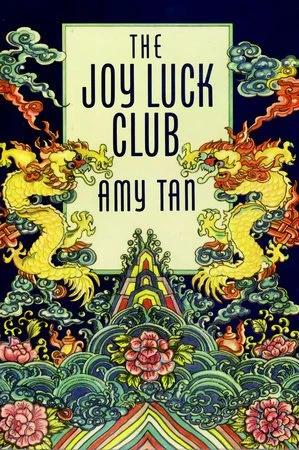
The Joy Luck Club [hardcover]
Amy Tan’s modern classic that examines the sometimes painful, often tender, and always deep connection between mothers and daughters
“For me, [The Joy Luck Club] was one of those once-in-a-lifetime reading experiences that you cherish forever. It inspired me as a writer and still remains hugely inspirational.”—Kevin Kwan, author of Crazy Rich Asians
“Brilliant.”—The Washington Post Book World
“A jewel of a book.”—The New York Times Book Review
“Amy Tan [is] a writer of dazzling talent.”—Chicago Tribune
In 1949, four Chinese women, recent immigrants to San Francisco, begin meeting to play mah jong, remember the past, and gossip into the night. United in unspeakable loss and new hope, they call themselves the Joy Luck Club.
With wit and sensitivity, Amy Tan examines the memories that display these women’s strength, worries, and determination. As each woman reveals her secrets, trying to unravel the truth about her life, the strings become more tangled, more entwined. Mothers boast or despair over daughters, and daughters roll their eyes even as they feel the inextricable tightening of the matriarchal ties that they believe have stymied their ability to face the uncertainties of the future.
Intimate and moving, The Joy Luck Club shows us how the inheritance of pain and unspoken secrets can lead to misunderstanding—and yet how love can still offer the promise of reconciliation.