
Anarchism
Anarchism and anarchists and anything associated with the thinking, the people, or the history generally get a raw deal from the media and even mainstream historians. It is true that anarchism is profoundly anti-authoritarian, but its popular association with violence (wild-eyed bearded men throwing bombs) is exaggerated, even fictionalized by the very forces threatened by it, namely governments and the media with vested interests in things as they are.
As with any subversive political and economic movement, some proponents became impatient and felt justified in striking out in vengeance or justice. Thus you have Alexander Berkman and his attempted assassination of Pennsylvanian Henry Clay Frick in 1892 and Leon Czolgosz and his successful assassination of President William McKinley in 1901. Berkman, however, served his time in jail, wrote a deep and insightful account of his experience and went on to write more worthwhile books on the subject which possessed his life. (Czolgosz did not have that opportunity, being executed forty-five days after the death of his victim.)
Anarchism survived its dramatic beginnings in the 19th Century, however, and interested readers can find its articulate concern with agricultural reform, labor rights, and prophetic worries about the growth of the surveillance state in many excellent books. Here you will find books and a superb documentary on Sacco and Vanzetti (as well as Woody Guthrie's cd of his investigation into the miscarriage of justice). Here you will find histories, biographies, anthologies, memoirs, and fiction. It is a rich tradition, relevant to this day and to the future.
Anarcho-Syndicalism: Theory and Practice
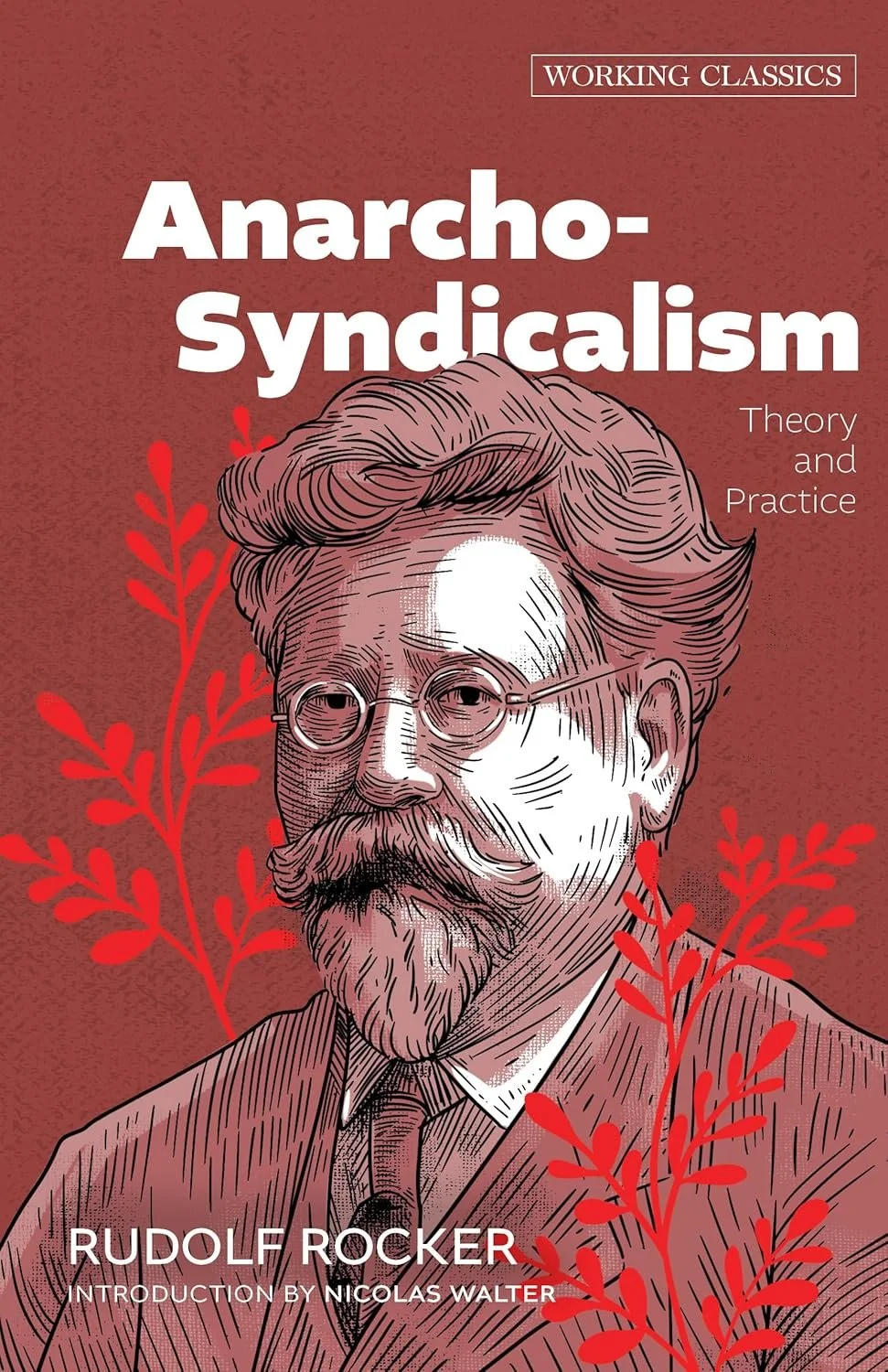
Anarcho-Syndicalism: Theory and Practice
The essential introduction to anarchist theory of the labor struggle.
In 1937, under the shadow of rising authoritarianism, and at the behest of Emma Goldman, Rudolf Rocker penned Anarcho-Syndicalism to champion the ideals of equality, voluntary cooperation, and mutual aid, which were fueling the Spanish Revolution and igniting resistance to capitalism the world over. In this political masterpiece, Rocker offers a clear introduction to anarchist ideas; a history of the international workers’ movement; and an outline of the syndicalist tactics of direct action, sabotage, and the general strike. This essential text rejects both capitalist exploitation and authoritarian state socialism, charting the way for a radical alternative of freedom through solidarity.
This edition includes a critical introduction by Nicolas Walter.
The Working Classics Series revives lineages of radical thought from the history of the anarchist movement.