
Anarchism
Anarchism and anarchists and anything associated with the thinking, the people, or the history generally get a raw deal from the media and even mainstream historians. It is true that anarchism is profoundly anti-authoritarian, but its popular association with violence (wild-eyed bearded men throwing bombs) is exaggerated, even fictionalized by the very forces threatened by it, namely governments and the media with vested interests in things as they are.
As with any subversive political and economic movement, some proponents became impatient and felt justified in striking out in vengeance or justice. Thus you have Alexander Berkman and his attempted assassination of Pennsylvanian Henry Clay Frick in 1892 and Leon Czolgosz and his successful assassination of President William McKinley in 1901. Berkman, however, served his time in jail, wrote a deep and insightful account of his experience and went on to write more worthwhile books on the subject which possessed his life. (Czolgosz did not have that opportunity, being executed forty-five days after the death of his victim.)
Anarchism survived its dramatic beginnings in the 19th Century, however, and interested readers can find its articulate concern with agricultural reform, labor rights, and prophetic worries about the growth of the surveillance state in many excellent books. Here you will find books and a superb documentary on Sacco and Vanzetti (as well as Woody Guthrie's cd of his investigation into the miscarriage of justice). Here you will find histories, biographies, anthologies, memoirs, and fiction. It is a rich tradition, relevant to this day and to the future.
Drawing the Line Once Again: Paul Goodman's Anarchist Writings
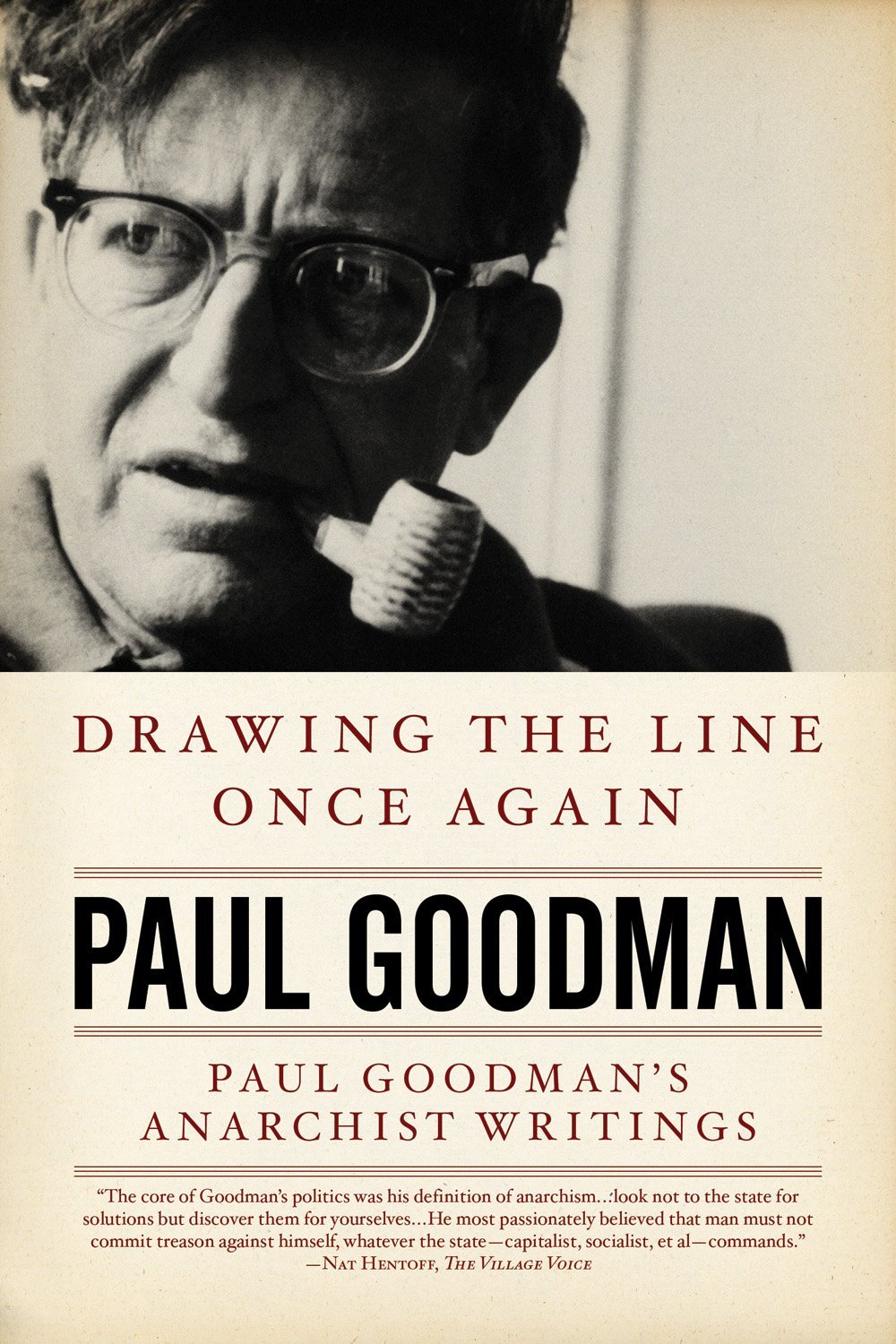
Drawing the Line Once Again: Paul Goodman's Anarchist Writings
Painting a vivid picture of 1960s counterculture ideas, this new collection of the late Paul Goodman's essential anarchist writings—from utopian essays to practical proposals—reveals how he inspired the dissident youth of the era and profoundly influenced movement theory and practice. Long out-of-print, these provocative, insightful, and incisive pieces analyze citizenship and civil disobedience, decentralization and the organized system—all while still mindful of the long anarchist tradition and of the Jeffersonian democracy that resonated strongly in Goodman's own political thought. A potent antidote to U.S. global imperialism and domestic anomie, this collection also includes a new introduction by Goodman's friend and literary executor, Taylor Stoehr, who explains why these nine core texts will thoroughly explicate anarchism for future generations.