
Bibles, Study Guides, and Accessories
Deciding which bibles and bible references and bible commentaries to stock is a challenge. I attempt a historical and a critical approach. We begin with the Hebrew and Greek originals. We move through the significant translations chronologically: the Geneva (with its sharp and learned Calvinist notes), the King James (safer for its sponsor), the New Revised Standard, and the excellent harvest of translations in the late 20th Century -- the New International, the English Standard, and the Common English.
Our dictionaries and handbooks tend to be a little conservative, mostly because I am skeptical of the confidence and the imagination of modern liberal scholars. Two thousand years of brilliant minds have thought about and written about scriptures (longer and more in the case of the Hebrew scriptures), and the humble approach with that perspective is useful and wise. The best approach is to begin with the basics and go from there.
On a less controversial note, protect your treasure of wisdom with a book cover or tote. We have several designs with neat features.
The Koren Tanakh of the Land of Israel: Deuteronomy
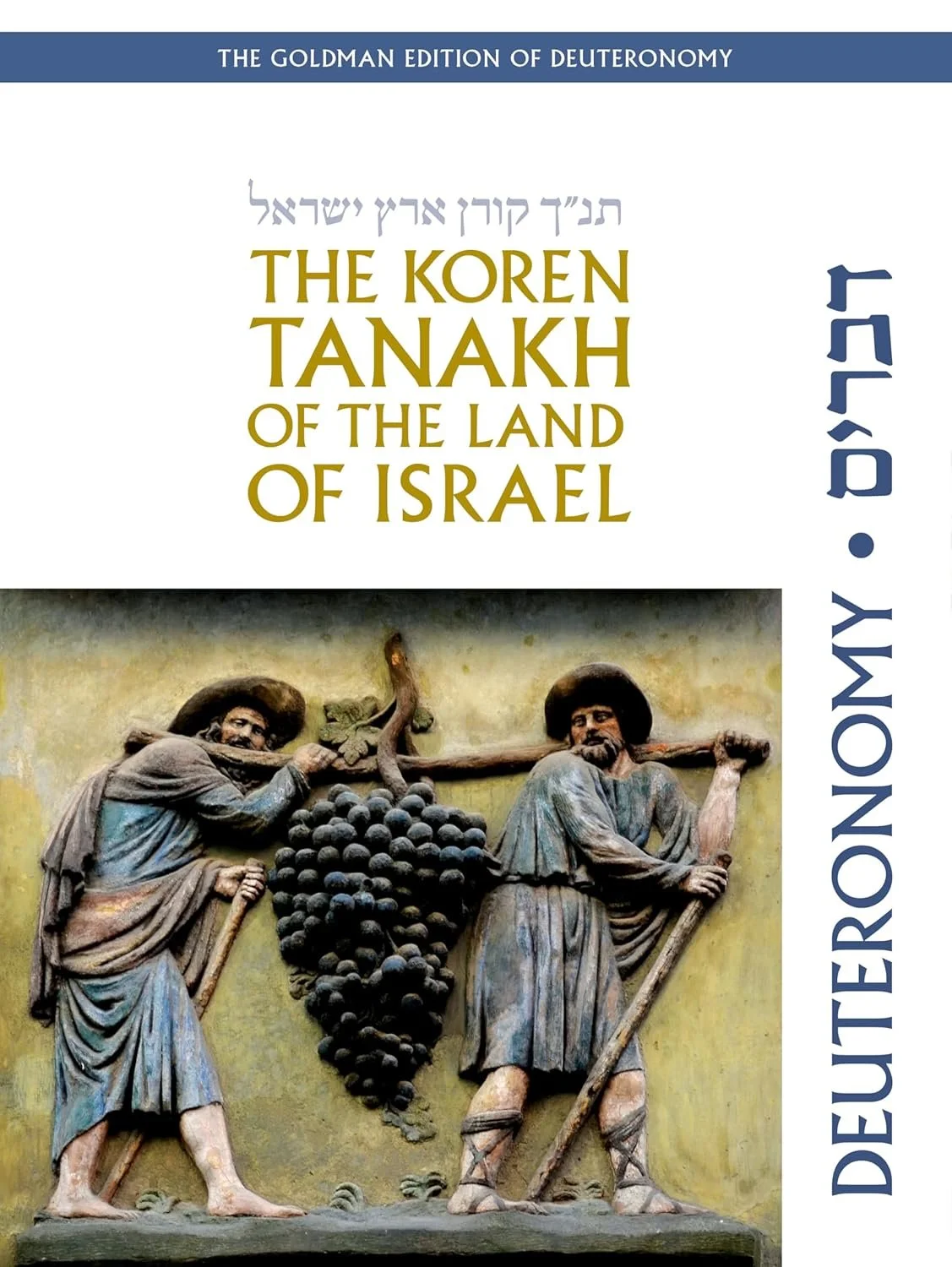
The Koren Tanakh of the Land of Israel: Deuteronomy
The Goldman Edition of Deuteronomy
A ground-breaking new Tanakh. The Koren Tanakh of the Land of Israel breathes new life into the biblical narrative by incorporating the latest discoveries from archaeology, Near Eastern studies, Egyptology and more to connect the ancient world with modern scholarship, offering readers a deeper and more informed understanding of the Bible.
New for Summer 2025: The Koren Tanakh of the Land of Israel – Deuteronomy.
Deuteronomy is the sixth in the series, out of 18 that will eventually cover the whole Tanakh. With a stunning visual design, illustrations on almost every page, colorful maps, and interesting accessible explanations, the series connects the text of the Tanakh to the Land of Israel and the surrounding cultures at the time – Egypt, Mesopotamia, and the Hittite Empire, and includes other background information based on scholarship related to archaeology, geography, religions, cultures, politics, and flora and fauna. The book of Deuteronomy primarily is structured as a set of speeches from Moshe to the people of Israel before they enter the land. However, its meaning and structure is much better understood against the milieu of the times in which the events described actually happened. The insights that can be gained from modern scholarship, through the traditional Jewish lens of the text, opens up an entirely new “face” to a text that has inspired and influenced the world for thousands of years.