
BOOKS IN ORIGINAL LANGUAGES or TRANSLATED FROM ENGLISH
Storytelling is a human condition (and it is certainly used by non-human species, but translation is waiting on that). Literature is a world-wide manifestation of the condition. I think it is important to pay attention to what language is the home for the storytelling. Not only does Whistlestop carry hundreds of translations of world literature, but where we can we carry the originals, sometimes in dual-language format. For fun we also carry a few titles of contemporary books back-translated into Latin. Try it — you will amazed at how much your brain is fired up when you read a different language!
The Dialogues of Confucius: The Complete Text
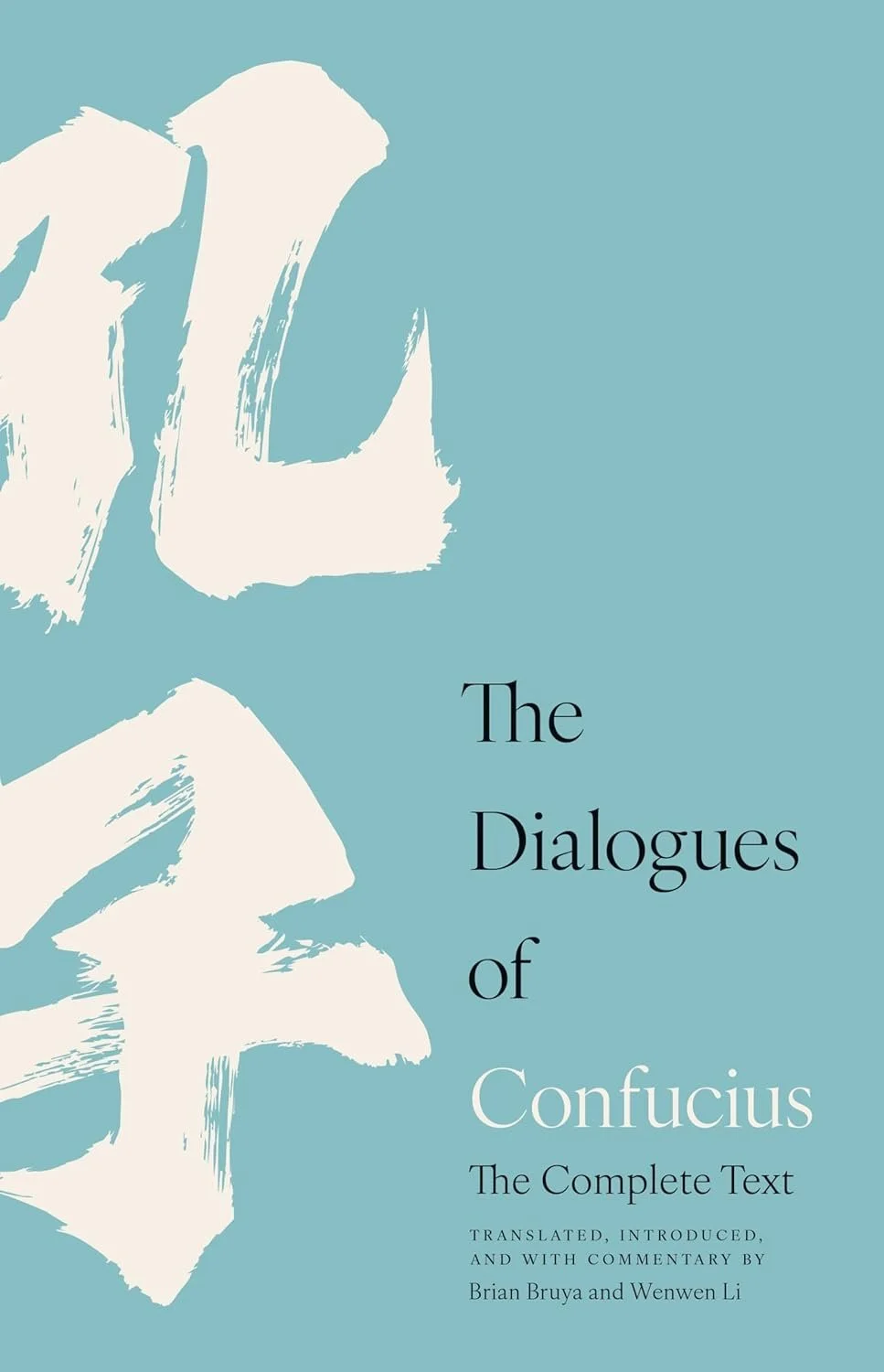
The Dialogues of Confucius: The Complete Text
Labeled a forgery and ignored for centuries, the Dialogues of Confucius was nevertheless preserved and passed down through the generations, purportedly a companion to the Analects. Recent archaeological finds and renewed analysis now suggest that the Dialogues can be accepted as authentic and that it accurately represents the thinking of Confucius on a wide array of topics. In this book, Brian Bruya and Wenwen Li offer the first complete translation of the text into English as well as a detailed introduction discussing Confucian philosophy, the history of the text, and the debates around its authenticity. This new translation shows that the Dialogues deserves a rightful place next to the Analects. In the Dialogues, as in the Analects, Confucius converses with his students and local potentates. The topics range from education to social norms to cosmology, and from cultivating individual virtues to instituting a meritocratic government.
As Bruya and Li argue, the main value of the Dialogues lies in its many philosophical clarifications and elaborations. At its core, it offers a valuable resource for understanding Confucius, his interactions with his students, and his philosophy. Each chapter includes both the original Chinese text and the English translation. The introduction includes a philosophical lexicon, and a 600-entry glossary at the end of the book provides context from the time of Confucius, enabling readers to understand how Confucius viewed his place in the world.