
Revived Writers
Fairly often a well-deserving writer is rediscovered by readers, publishers, or reviewers/critics. The neglected books are brought back into print, retrospective appreciations are written (Dawn Powell) or a sudden rush of affection overwhelms the writer late in life (Barbara Pym). Sometimes the writer’s works are whacked with the magic wand of Hollywood, and the writer becomes much more famous and widely read than in his or her mortality (Philip K. Dick).
Recently I was struck by the handsome editions that a British publisher, Hodder Books, brought out for Pamela Hansford Johnson’s novels. Johnson (1912-1981, CBE, FRSL) was a prolific and multi-talented writer who was the guest of many universities in the US and celebrated in her day. Her second husband, C.P. Snow, had an even higher profile as a writer bridging the sciences and the humanities and wrote successfully and abundantly, including an epic 11-volume series, Strangers and Brothers. Johnson is now back in print. Snow is out of print entirely in the US. Publishers — and booksellers — are mysterious in their giving and taking away. It pays to stay alert to what is revived.
On this page, beginning in the pandemic days of Spring 2020, we will hunt around for revived fiction and its writers. We begin with Johnson. I look forward to listing other authors I carry: Nancy Mitford, Georgette Heyer, Eugenia Price, Sylvia Townsend Warner, and others. (Why are all the names I am thinking of women writers? No idea.)
Enjoy! Experiment! And come back to check on new listings.
Esther Kreitman: Collected Works
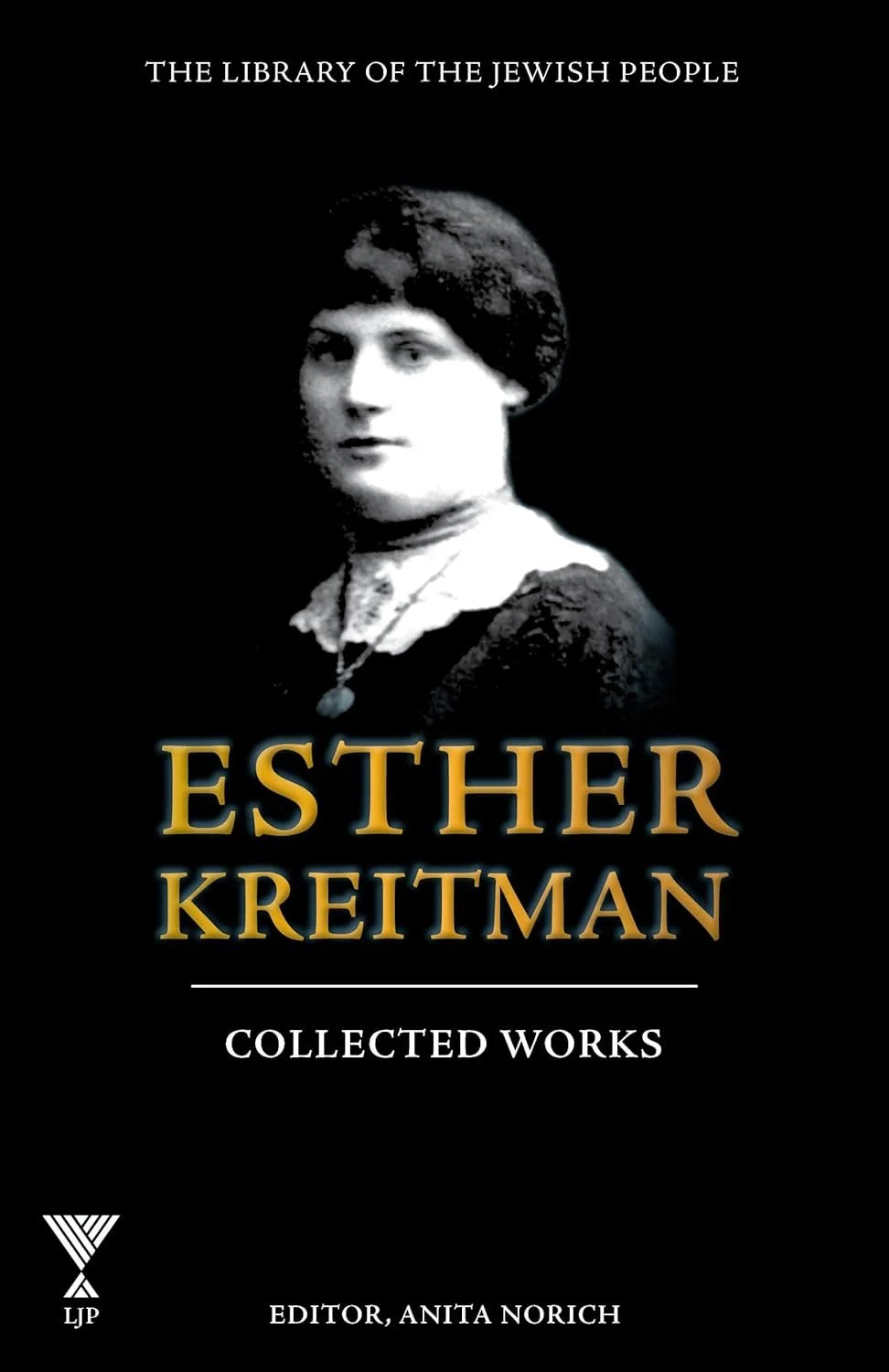
Esther Kreitman: Collected Works
Esther Kreitman’s fiction explores the realities of Jewish life in Europe in the first half of the twentieth century. Uncompromising in her critique of injustice and hypocrisy, she exposes the emptiness of those who maintain nothing of Judaism but rituals devoid of meaning. She insists on the dignity of those denied opportunity: the poor, women, and all excluded from modern education.
Her characters love and work, despair and rebel as they move through the streets and homes of the shtetl, Warsaw, Antwerp, and London.
Collected Works presents – for the first time in English – the full range of Kreitman’s prose: her two novels, a collection of short stories, previously unpublished and untranslated stories and essays, and more. Together, these works reveal the power of her literary imagination.
If Kreitman’s literary reputation was long overshadowed by that of her brothers – Israel Joshua Singer and Isaac Bashevis Singer – it is largely because that was the fate of many women writers of Yiddish prose. In her own day, and again in ours, her work is urgent in its fearless engagement with class, gender, and beliefs. It is not only a sharp social critique, but also a literature of rebellion, empathy, and a desire to see and speak the truth.