
The Beat Generation
Whistlestop Bookshop opened in 1985. When I think about writers or categories or particular books that have sold steadily, without flagging, for over 30 years, I think I learn about my own philosophy of bookselling, I learn about my customers over time and generations, and I learn about the literature. Sometimes it is a book (Goodnight, Moon, say, or Killer Angels), sometimes it is a category (science fiction/fantasy or nature guides), and sometimes a particular author (Kurt Vonnegut, Jane Austen). I am both surprised and pleased that the Beats have sold since the beginning and show no signs of slowing down.
The history of the Beat Generation is complex and absorbing. Think of analogies being the Transcendentalists or the Lost Generation. Briefly and unfairly summarized, think of a small group of writers from very different backgrounds meeting at Columbia University after World War Two, creating the beginnings of a network that was nurtured in New York City but soon found simultaneous developments in San Francisco and the Pacific Northwest.
The Beats recognized and valued spontaneity, non-conformity, spiritual quests outside of social structures, suspicion of materialism, the intimate conversation between music (especially jazz) and language, and a burning, sometimes self-destructive, passion for freedom.
As you can see in our offerings here, Jack Kerouac was a central figure, as were Allen Ginsberg and Lawrence Ferlinghetti. Other names are here, too -- William S. Burroughs, Jr., Gary Snyder, Kenneth Rexroth, Carolyn Cassady. I will add titles and writers as I remember the associations, and as new critical or historical evaluations are published. Enjoy what my customers have been celebrating for three decades plus now!
Someday We'll Build Cabins: The Letters of Jack Kerouac, Jacques Beckwith, and Lois Sorrells Beckwith
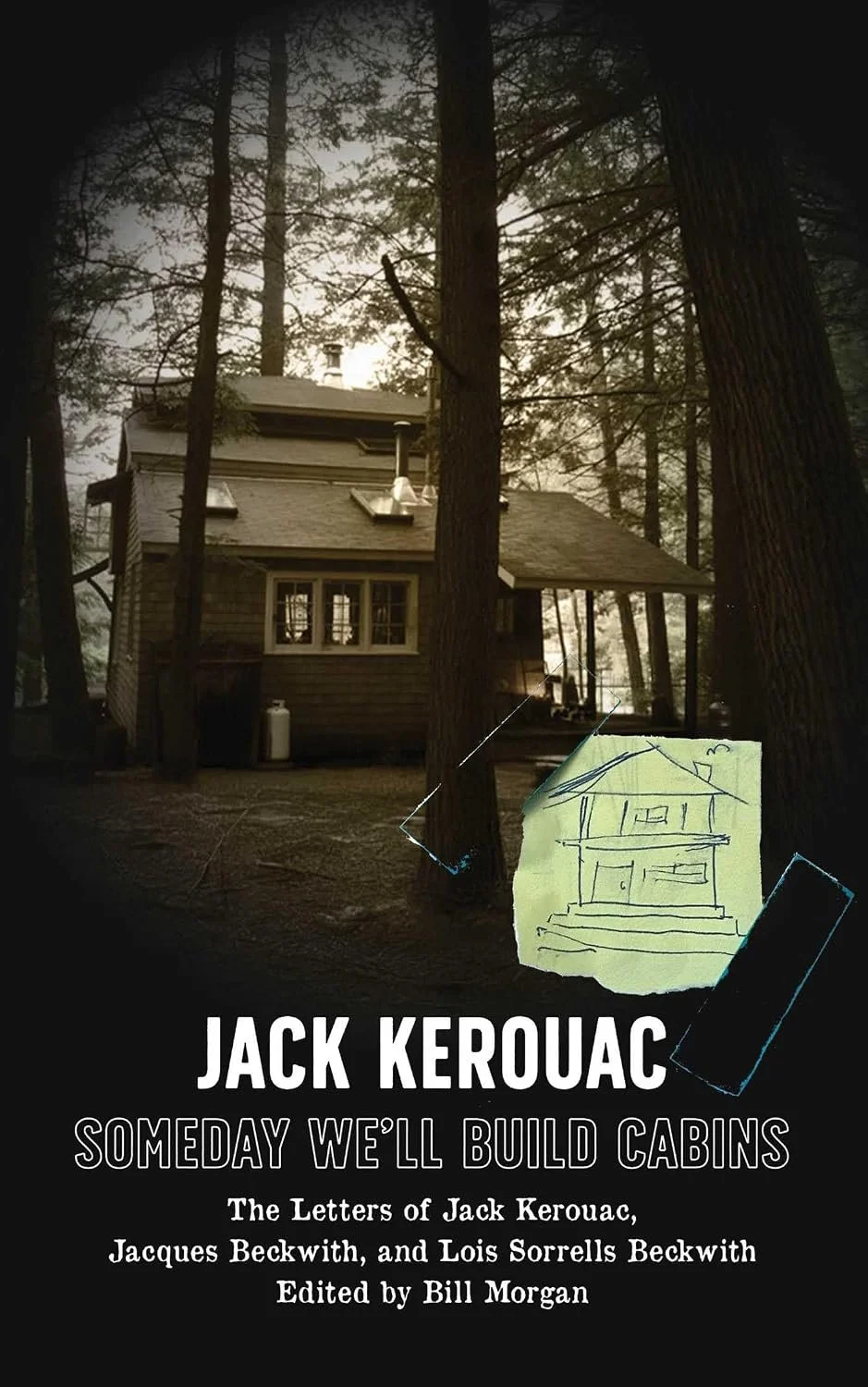
Someday We'll Build Cabins: The Letters of Jack Kerouac, Jacques Beckwith, and Lois Sorrells Beckwith
A book of letters revealing the inner desires and turmoils of Jack Kerouac after his rise to literary acclaim in the 1960s.
In 1960, Jack Kerouac began a correspondence with New York artist Jacques Beckwith. Their shared vision: to build cabins in the woods, retreats from a world of war, dishonesty, and literary pressure. Kerouac wrote, "I want to live in the woods where I don't even have to think about this evil world of wars and dishonesties."
But while Beckwith realized his dream, Kerouac was thwarted by alcoholism, lawsuits, constant travel, marital strife, and the burden of caring for his mother. These letters reveal the deeply human side of the Beat legend—his frustrations, distractions, and restless longing for peace.