
US Presidents
April 30, 1789, when George Washington took the oath of office as the first president of the United States to the present — 47 presidencies have led the nation from its violent beginning through turbulent times, near-extinction, world triumph, and long domestic and international challenges. I realized how steadily I sold biographies and histories dealing with the US Presidents, and I thought I would begin on the ambitious project of all the books related to the subject that I stock. Here is the beginning of an ongoing work. I am including the necessary topics of spouses and general administration (not just the individual). Endlessly fascinating to the reader — and apparently inspiring to our best historians.
The listing is chronological, most recent to George Washington top to bottom of the page, with some books on leadership and so forth at the bottom. The most recent President, Donald Trump, is having many books published with political or polemical edges to them. The political books are listed on the Politics & Current Events page. For this page I will strive to select books on Trump that have a historical framework or methodology.
George Washington and Frederick the Great: Parallel Lives
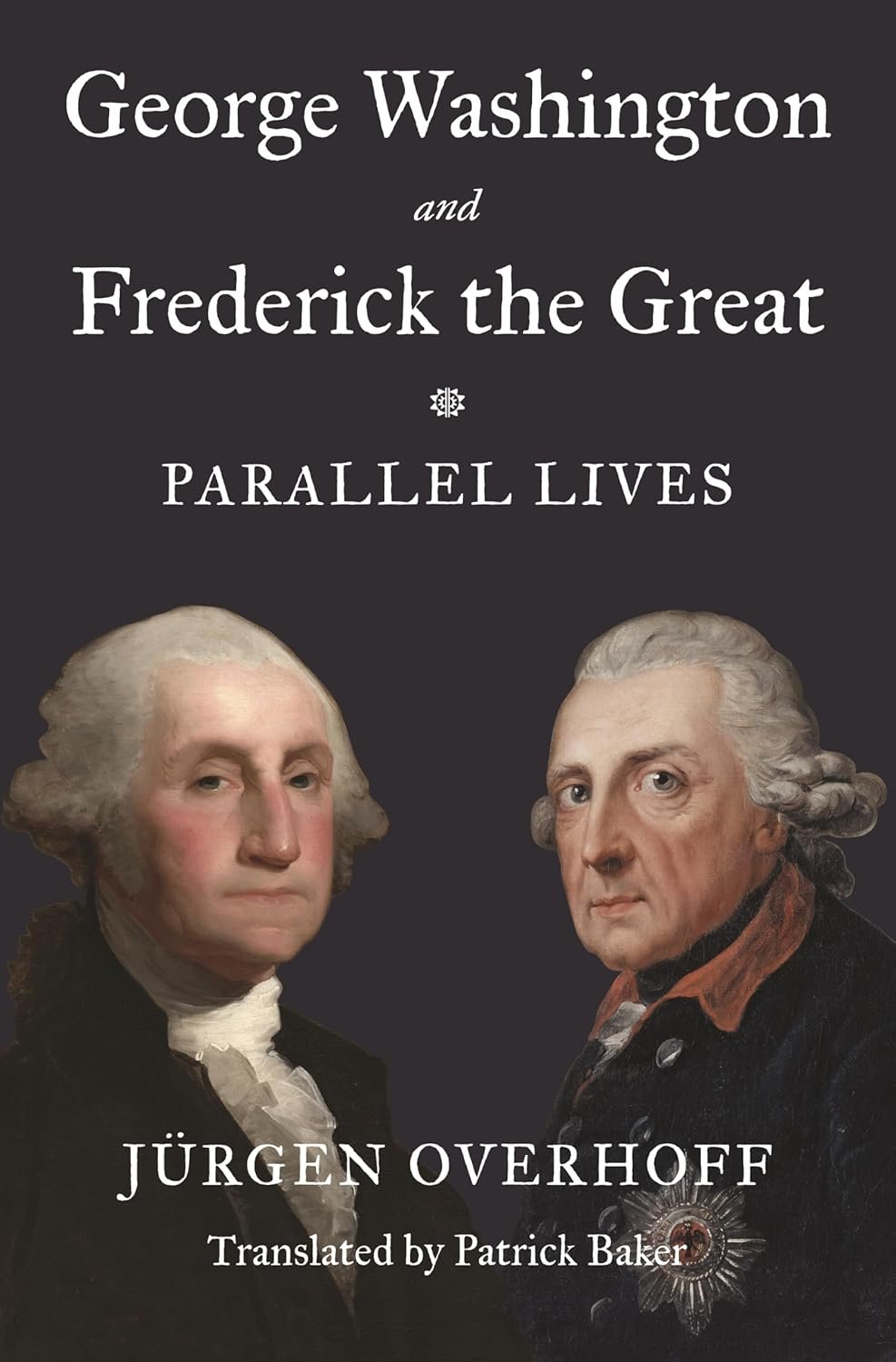
George Washington and Frederick the Great: Parallel Lives
Both Frederick the Great and George Washington saw themselves as model rulers exemplifying different modes of enlightened governance. Frederick, absolute ruler of Prussia, styled himself as the embodiment of “enlightenment from above”; Washington, as the first president of the United States, held himself accountable to Congress, with the power of the presidency subject to checks and balances. In this unique study, Jürgen Overhoff traces the parallel lives of two of the most important and influential statesmen of the eighteenth century, from their early years to their ascension to political power and their historical legacies. Overhoff considers the significance of each man not only in the context of his own country but in the larger geopolitical space of Atlantic history.
Overhoff describes how Washington admired Frederick’s actions during the Seven Years’ War (also known as the French and Indian War) in the 1750s, when Frederick allied with the British and North Americans. Later, Frederick was impressed by Washington’s leadership of the Continental Army during the American Revolution. Prussia and the United States even signed a friendship treaty after the war. But, as Overhoff shows, the two men had very different ideas about the principles of the Enlightenment, monarchy, and democracy. Despite his Enlightenment bona fides, Frederick ruled Prussia by edict and decree, always with the goal of maintaining his own power. Washington famously stepped down after two terms in office. Overhoff argues convincingly that the political trajectories of Frederick and Washington shed light on the contemporary clash between authoritarianism and democracy.