
Vikings & Anglo-Saxons!
We are a hardy race, being independent booksellers, so of course we are interested in those Norse entrepreneurs who made Europe a lively place in the so-called Dark Ages.
One of the standard-setting writers about medieval Scandinavia was Nobel Prize-winning Sigrid Undset. I have assembled all her works that we carry on this page, even though they technically do not involve Viking culture and history (a few are even contemporary to Undset’s own time). Other than that, she needs no defense as one of the greatest of historical novelists.
Many books have emerged on the conflicts, the tensions, and the meldings between the Vikings and the inhabitants of what would become the British isles, so I have expanded the topic to include the Picts, the Druids, and Anglo-Saxons.
How England Began: From Roman Britain to the Anglo-Saxons
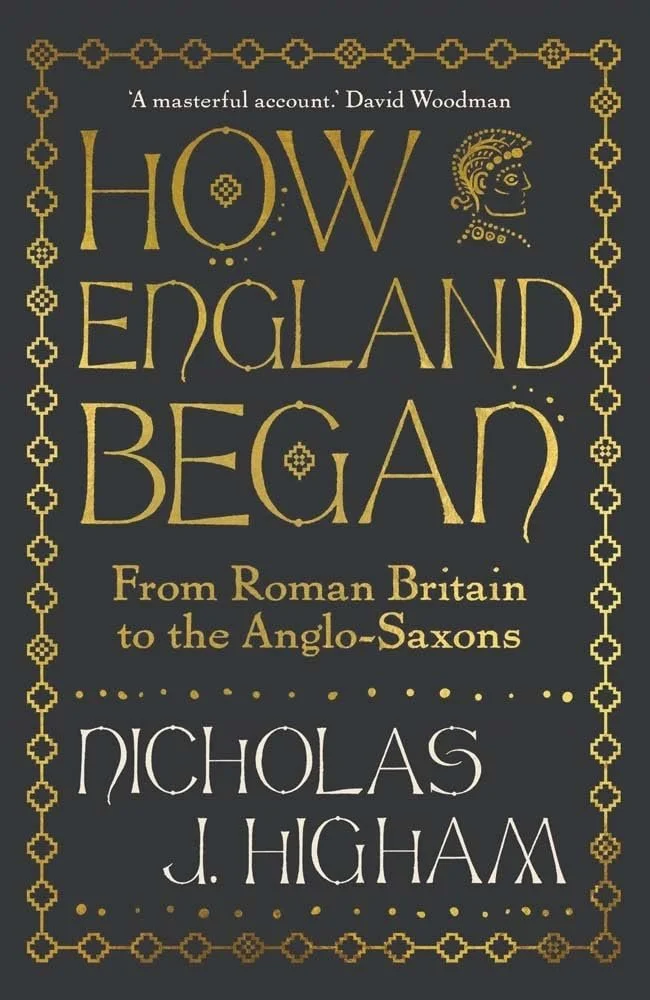
How England Began: From Roman Britain to the Anglo-Saxons
An engaging, wide-ranging exploration of the end of Roman Britain and the beginnings of England
In 410 CE, Roman rule of Britain collapsed, bringing a centuries-long occupation to an end. A century later, Britain was dividing into two areas with contrasting cultures, an expansive “Anglo-Saxon” south and east, and a shrinking Celtic west and north. How did this transition happen? And why did the customs of the Germanic incomers prevail in England, unlike elsewhere in Europe?
In this deeply researched account, Nicholas J. Higham addresses these difficult questions head on. Higham draws on archaeological evidence and contemporary literature, including the writings of Gildas, to reconsider the accepted narrative. We see anew the importance of culture, warfare, and language—as the arrival, spread, and dominance of incomers irrevocably changed the country. This period marked the beginnings of Englishness, and of such insular identities as Welsh and Cornish. Offering surprising new insights, Higham provides a penetrating account of how, as Roman Britain ended, Anglo-Saxon England emerged.