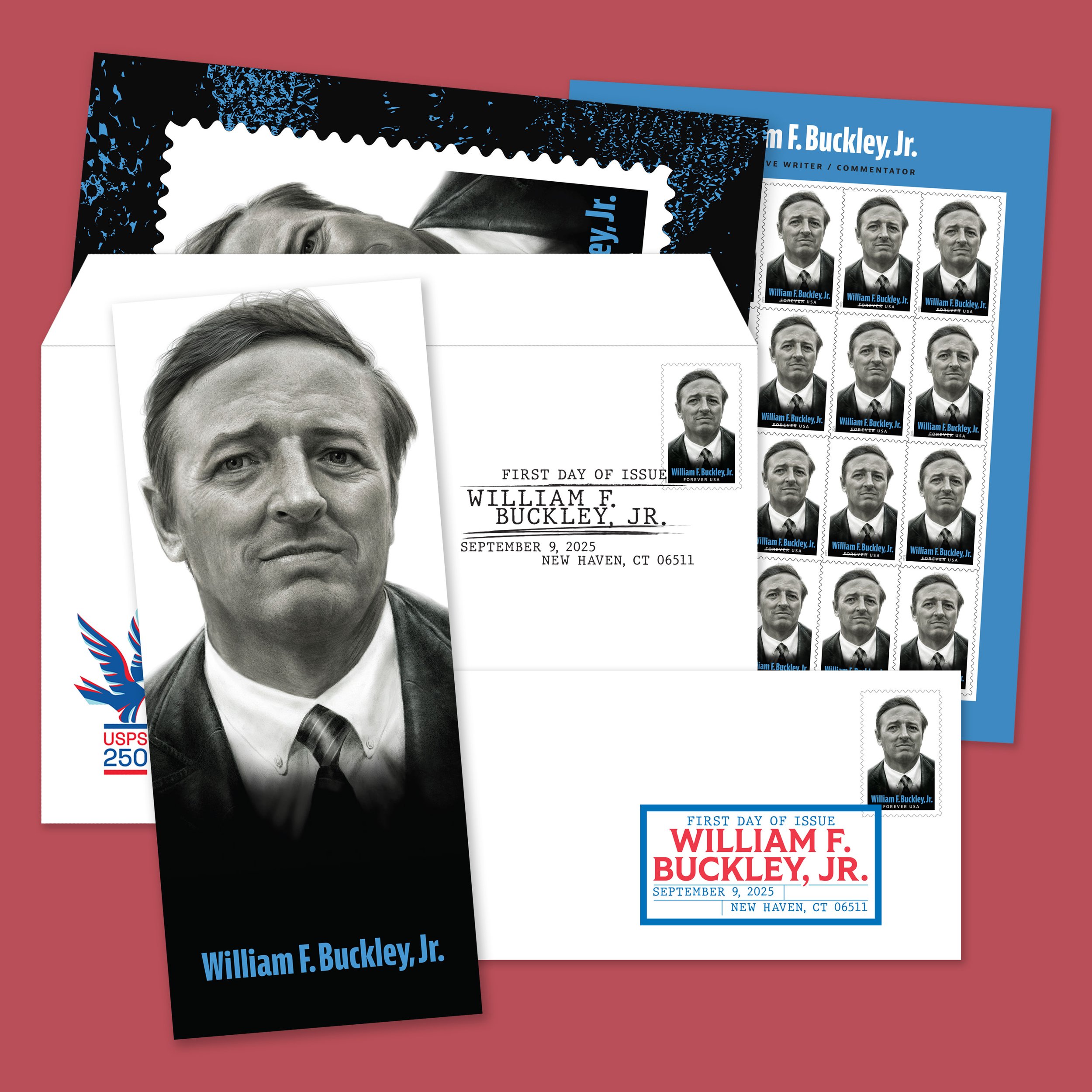
William F. Buckley, Jr.
William F. Buckley, Jr. (November 24, 1925 - February 27, 2008) was a writer with a wide range of accomplishment, from cultural criticism, essays, biography, political commentary, magazine editing, books on language, novels, and accounts of sailing. He hosted “Firing Line,” a television talk show, from 1966-1999, the longest-running public affairs show with a single host in U.S. television history. He founded National Review in 1955 (it is still being published). All of this activity inhabits the territory of modern conservatism, a movement established after World War II in the stress and strain and excitement of the Cold War and of the United States taking the responsibilities and risks of being a world superpower. Buckley deliberately and effectively became the public intellectual of conservatism, relishing the arena of public discourse and influence. He moved comfortably in the halls of the movers and shakers of political and cultural sway. He had famous friendships (Barry Goldwater and Ronald Reagan, notably) and famous feuds (Gore Vidal a spectacular example). Whatever the performance, Buckley had a strong core of his love of language, his respect of words and ideas supported by thought, by argument. With an engaging variance, his books on sailing are transcendent - practical, funny, lyrical, unpretentious, adventurous.
Nearer, My God: An Autobiography of Faith
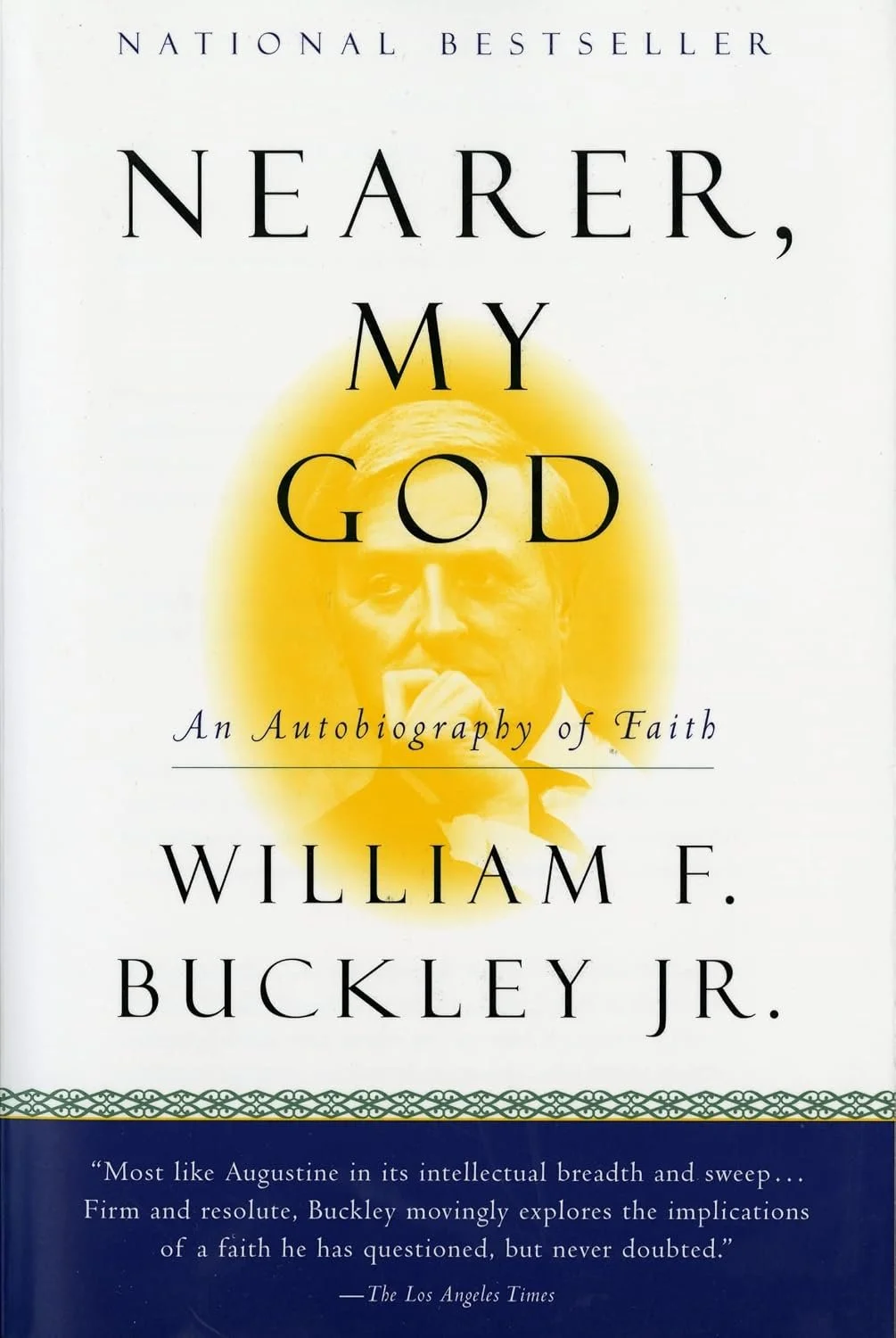
Nearer, My God: An Autobiography of Faith
This is the story of one man's faith, told with unrivaled reflection and candor. William F. Buckley, Jr., was raised a Catholic. As the world plunged into war, and as social mores changed dramatically around him, Buckley's faith -- a most essential part of his make-up -- sustained him. In Nearer, My God, Buckley examines in searching detail the meaning of his faith, and how his life has been shaped and sustained by religious conviction.
In highly personal terms, and with the wit and acuity for which he is justly renowned, Buckley discusses vital issues of Catholic doctrine and practice, and in so doing outlines for the reader both the nature of CathoLic faith and the essential role of religious belief in everyday life. In powerfully felt prose, he contributes provocatively and intelligently to the national interest in the nature of religion, the Church, and spiritual development. Nearer, My God is sure to appeal to all readers who have felt the stirrings of their own religious faith, and who want confirmation of their beliefs or who are seeking a guide to understanding their own souls.