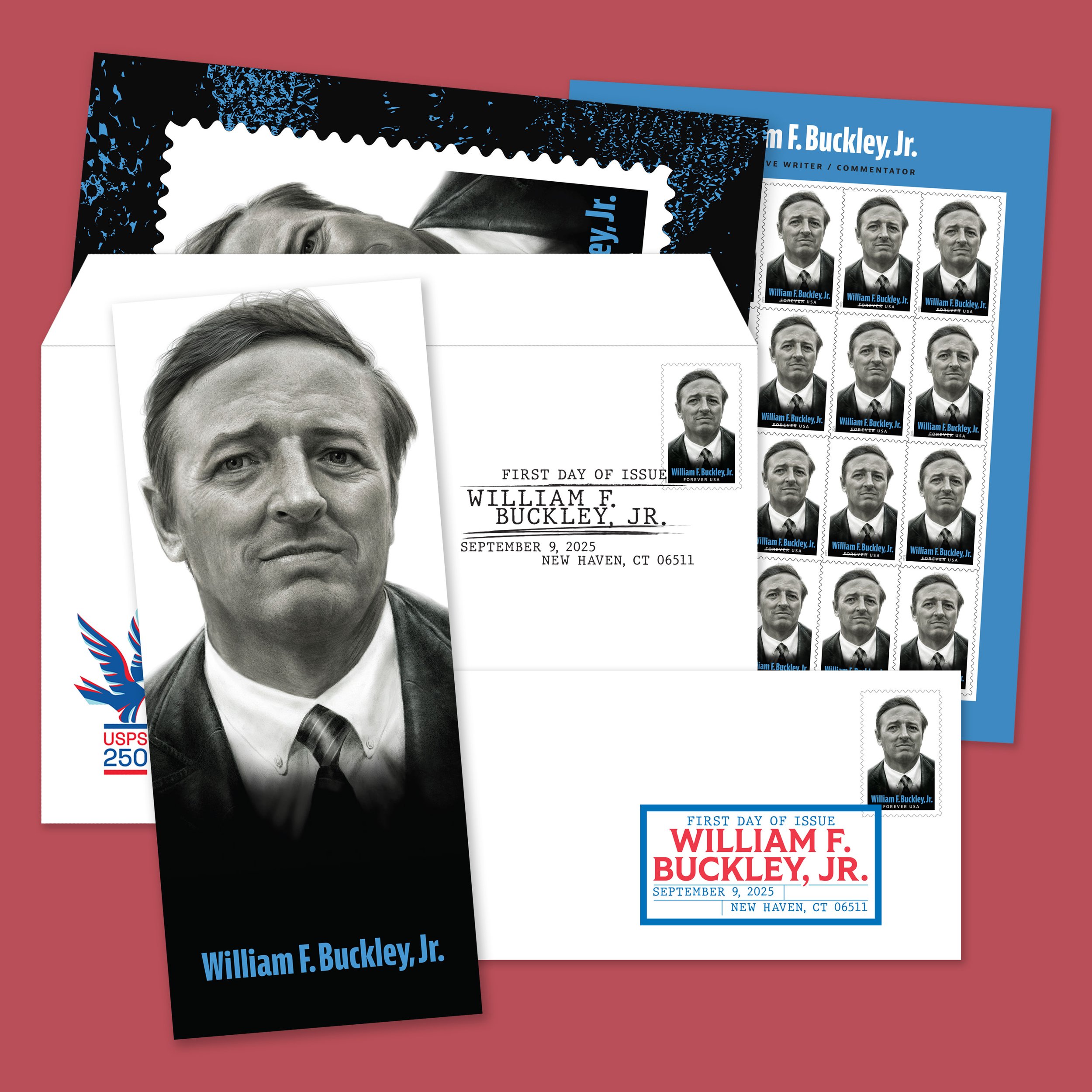
William F. Buckley, Jr.
William F. Buckley, Jr. (November 24, 1925 - February 27, 2008) was a writer with a wide range of accomplishment, from cultural criticism, essays, biography, political commentary, magazine editing, books on language, novels, and accounts of sailing. He hosted “Firing Line,” a television talk show, from 1966-1999, the longest-running public affairs show with a single host in U.S. television history. He founded National Review in 1955 (it is still being published). All of this activity inhabits the territory of modern conservatism, a movement established after World War II in the stress and strain and excitement of the Cold War and of the United States taking the responsibilities and risks of being a world superpower. Buckley deliberately and effectively became the public intellectual of conservatism, relishing the arena of public discourse and influence. He moved comfortably in the halls of the movers and shakers of political and cultural sway. He had famous friendships (Barry Goldwater and Ronald Reagan, notably) and famous feuds (Gore Vidal a spectacular example). Whatever the performance, Buckley had a strong core of his love of language, his respect of words and ideas supported by thought, by argument. With an engaging variance, his books on sailing are transcendent - practical, funny, lyrical, unpretentious, adventurous.
Racing Through Paradise: A Pacific Passage
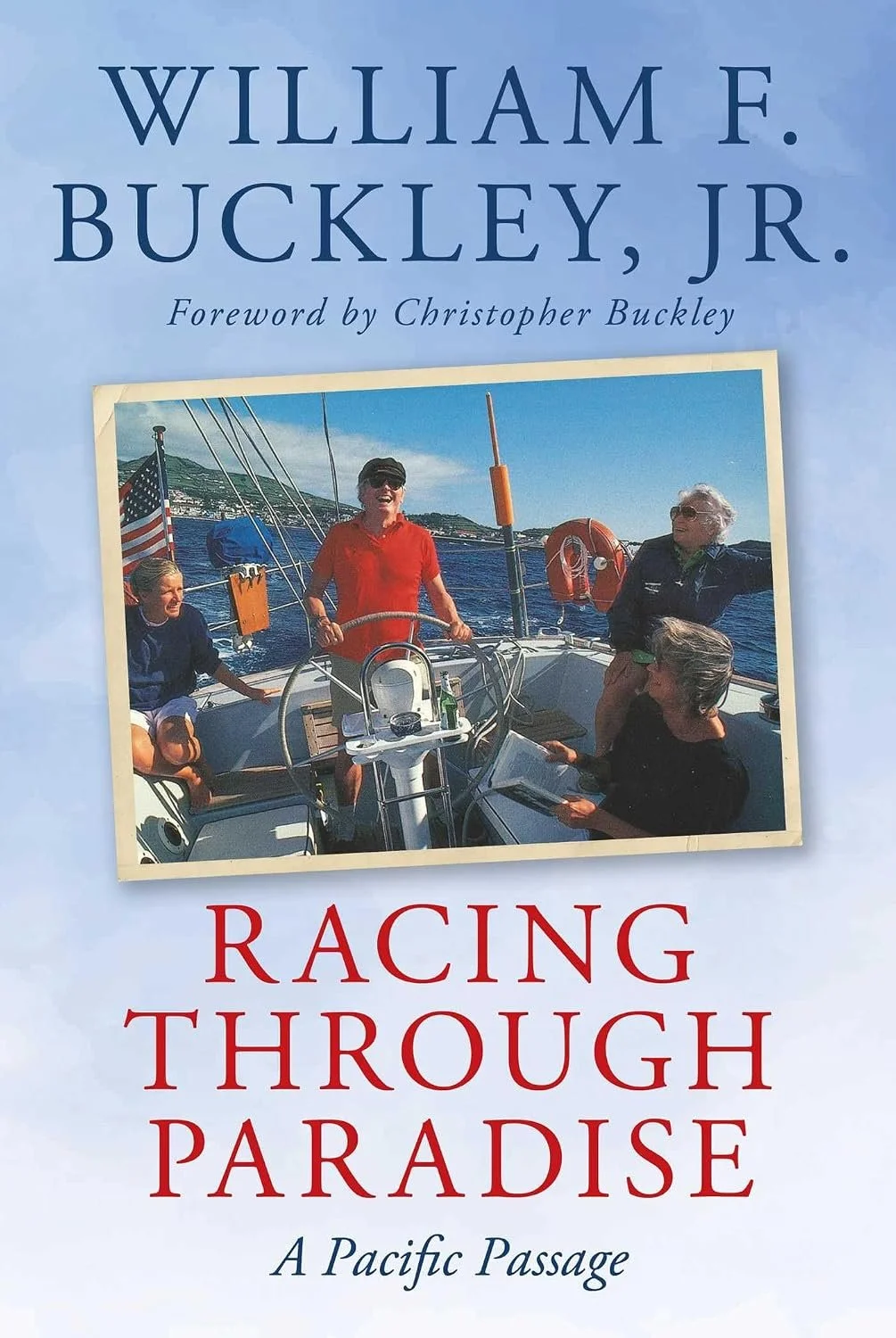
Racing Through Paradise: A Pacific Passage
Racing Through Paradise is the third entry in Bill Buckley’s now classic sailing trilogy.
Here the irresponsible, eloquent, enjoyable Buckley guides us through his beloved Azores, and through the Galapagos (“the Bronx Zoo at the Equator”), about which he inclines more to Melville’s view than to Darwin’s, and through places such as Johnston Atoll, where mysteries and hostilities await. On a hilarious side adventure, we have a memorable encounter with “The Angel of Craig’s Point.”
Along the way, Buckley navigates among pleasant diversions as well as unforeseen navigational and philosophical shoals. He adroitly excerpts the candid journals of his shipmates, notably that of his son, Christopher, himself a best-selling novelist. The fine photographs by Christopher Little illustrate throughout. When Buckley’s Sealestial sails, finally, into New Guinea, we have shared a unique experience with a special breed of sailor, skipper, host, friend, and human being.