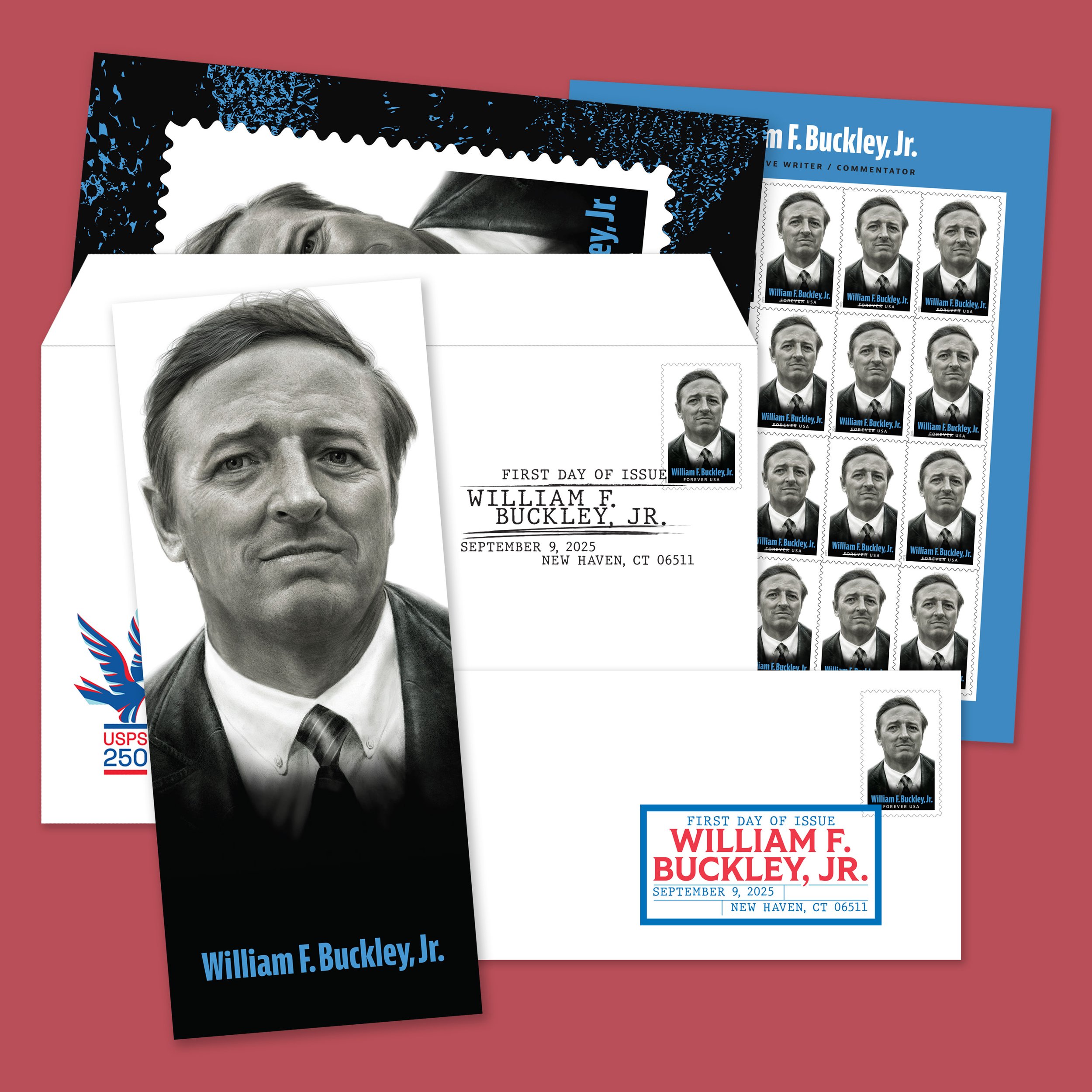
William F. Buckley, Jr.
William F. Buckley, Jr. (November 24, 1925 - February 27, 2008) was a writer with a wide range of accomplishment, from cultural criticism, essays, biography, political commentary, magazine editing, books on language, novels, and accounts of sailing. He hosted “Firing Line,” a television talk show, from 1966-1999, the longest-running public affairs show with a single host in U.S. television history. He founded National Review in 1955 (it is still being published). All of this activity inhabits the territory of modern conservatism, a movement established after World War II in the stress and strain and excitement of the Cold War and of the United States taking the responsibilities and risks of being a world superpower. Buckley deliberately and effectively became the public intellectual of conservatism, relishing the arena of public discourse and influence. He moved comfortably in the halls of the movers and shakers of political and cultural sway. He had famous friendships (Barry Goldwater and Ronald Reagan, notably) and famous feuds (Gore Vidal a spectacular example). Whatever the performance, Buckley had a strong core of his love of language, his respect of words and ideas supported by thought, by argument. With an engaging variance, his books on sailing are transcendent - practical, funny, lyrical, unpretentious, adventurous.
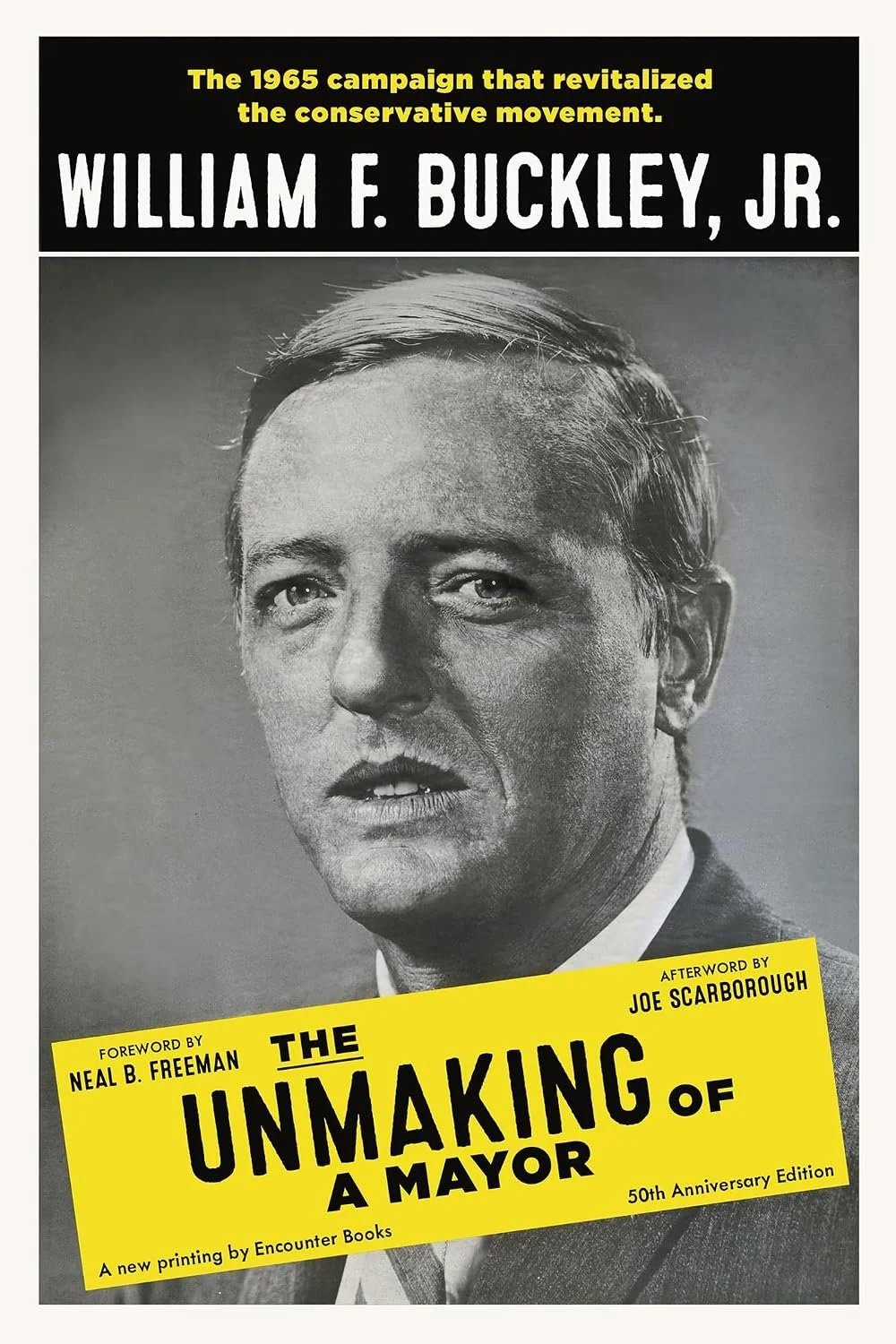
The Unmaking of a Mayor
The Unmaking of a Mayor
John V. Lindsay was elected mayor of New York City in 1965. But that year’s mayoral campaign will forever be known as the Buckley campaign. As a candidate,” Joseph Alsop conceded, Buckley was cleverer and livelier than either of his rivals.” And Murray Kempton concluded that The process which coarsens every other man who enters it has only refined Mr. Buckley.”
The Unmaking of a Mayor is a time capsule of the political atmosphere of America in the spring of 1965, diagnosing the multitude of ills that plagued New York and other major cities: crime, narcotics, transportation, racial bias, mismanagement, taxes, and the problems of housing, police, and education. Buckley’s nimble dissection of these issues constitutes an excellent primer of conservative thought.
A good pathologist, Buckley shows that the diseases afflicting New York City in 1965 were by no means of a unique strain, and compared them with issues that beset the country at large. Buckley offers a prescient vision of the Republican Party and America’s two-party system that will be of particular interest to today’s conservatives. The Unmaking of a Mayor ends with a wistful glance at what might have been in 1965and what might yet be.