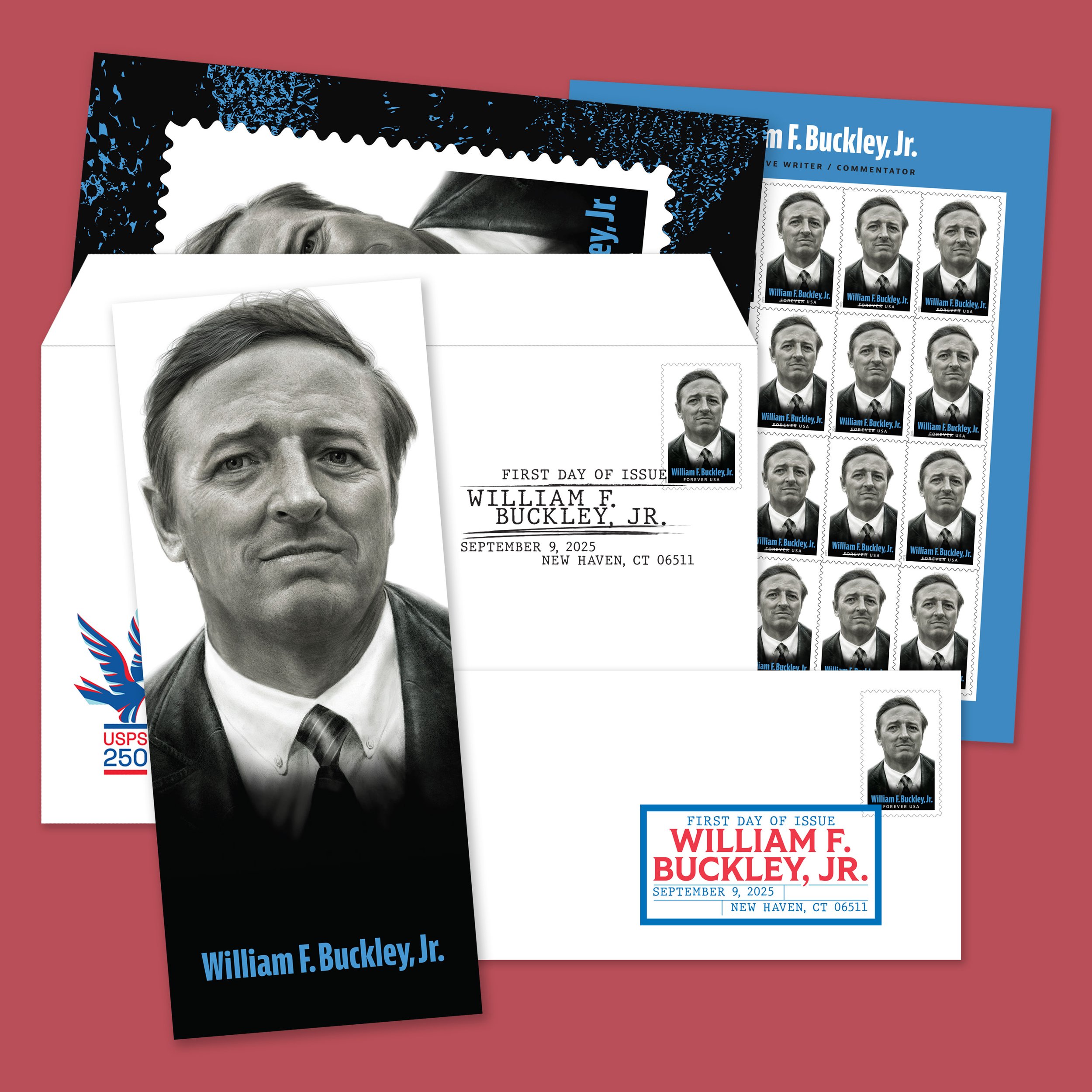
William F. Buckley, Jr.
William F. Buckley, Jr. (November 24, 1925 - February 27, 2008) was a writer with a wide range of accomplishment, from cultural criticism, essays, biography, political commentary, magazine editing, books on language, novels, and accounts of sailing. He hosted “Firing Line,” a television talk show, from 1966-1999, the longest-running public affairs show with a single host in U.S. television history. He founded National Review in 1955 (it is still being published). All of this activity inhabits the territory of modern conservatism, a movement established after World War II in the stress and strain and excitement of the Cold War and of the United States taking the responsibilities and risks of being a world superpower. Buckley deliberately and effectively became the public intellectual of conservatism, relishing the arena of public discourse and influence. He moved comfortably in the halls of the movers and shakers of political and cultural sway. He had famous friendships (Barry Goldwater and Ronald Reagan, notably) and famous feuds (Gore Vidal a spectacular example). Whatever the performance, Buckley had a strong core of his love of language, his respect of words and ideas supported by thought, by argument. With an engaging variance, his books on sailing are transcendent - practical, funny, lyrical, unpretentious, adventurous.
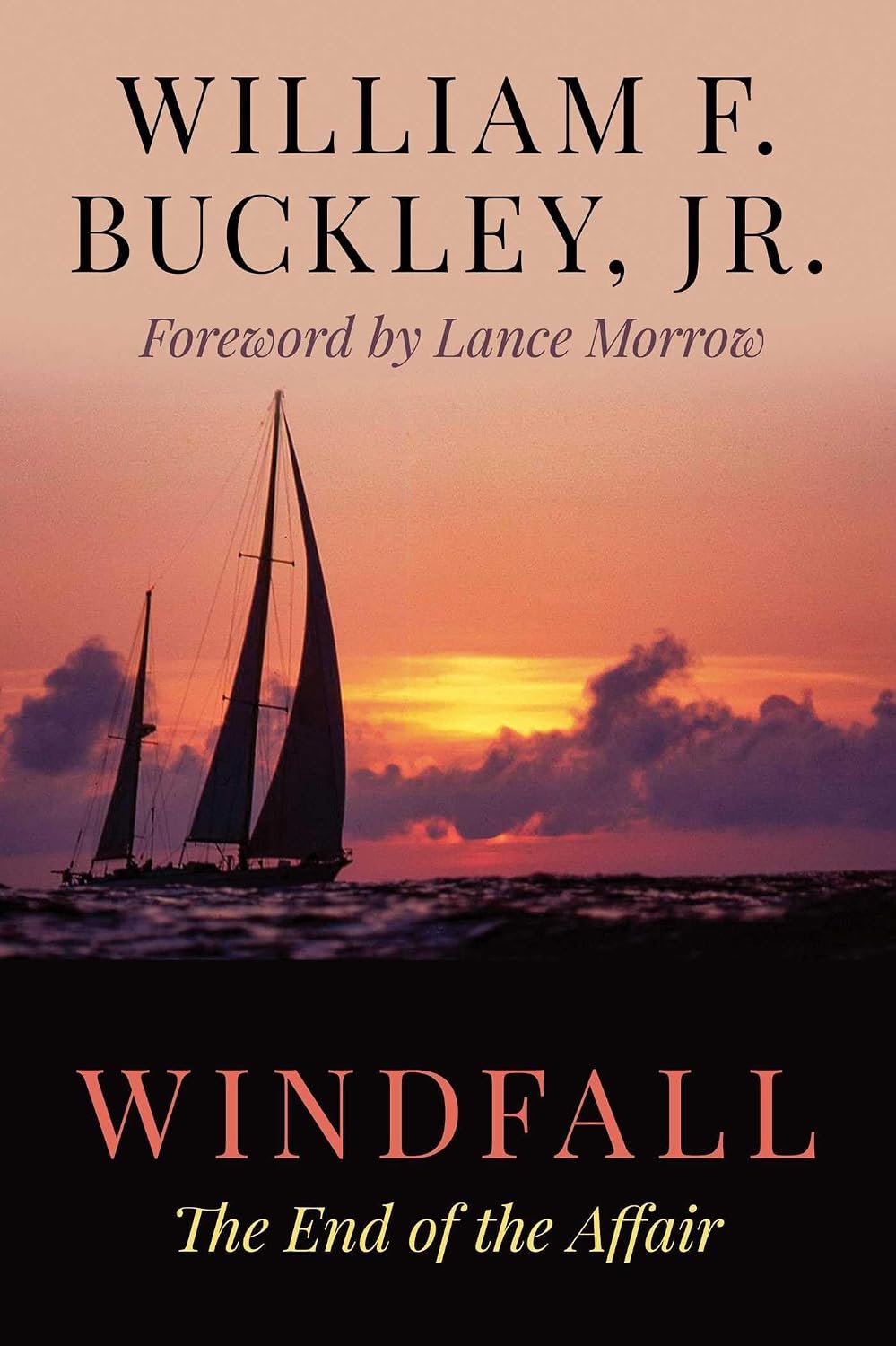
Windfall: The End of the Affair
Windfall: The End of the Affair
All the virtues of Bill Buckley’s earlier books are here—but this one is profoundly different. 1990 was a very good year, producing vintage Buckley. He celebrated deeply meaningful anniversaries: the fortieth year of his marriage; the fortieth since his graduation from Yale; the thirty-fifth from National Review, the magazine he founded, and then decided—to considerable shock—to retire from editing. In the year in which he became a senior citizen, he appeared, daringly, as a harpsichordist with two symphony orchestras; wrote a controversial book advocating voluntary national service, a proposal not calculated to endear him to his fellow conservatives; and endured the death of a close friend. Thus is completed (perhaps) the end of several affairs—and the capstone volume of a diarist-journal keeper-journalist, who has proved to be, over books at sea and on land (Cruising Speed, The Unmaking of a Mayor, Airborne, Atlantic High, Overdrive, Racing Through Paradise), both his own Boswell and Johnson.