
World War II (1931-1945)
“The Second World War presented a mirror to the human condition which blinded anyone who looked into it.” — Norman Mailer, “The White Negro: Superficial Reflections on the Hipster” (1957)
Of the endless ocean of books on the Second World War, we have dozens and dozens of new and carefully chosen titles. I define it as beginning with the Japanese Empire’s invasion of Manchuria and ending with not only V-E and V-J Days but also the immediate crises of displaced people, the Soviet Union’s creation of the Iron Curtain, and the growing revelations of the extent of the Holocaust.
In significant ways the Second World War was the defining crucible of the 20th Century. The First World War was prelude, the legacy of the 19th Century’s imperialism, and the Cold War was the sequel. Of the making of books about it there is no end — but the persistence of good research and good writing, and good publication underscores the war’s centrality of the world we live in today and the world our descendents will live in for the foreseeable future.
Running Deep: Bravery, Survival, and the True Story of the Deadliest Submarine in World War II
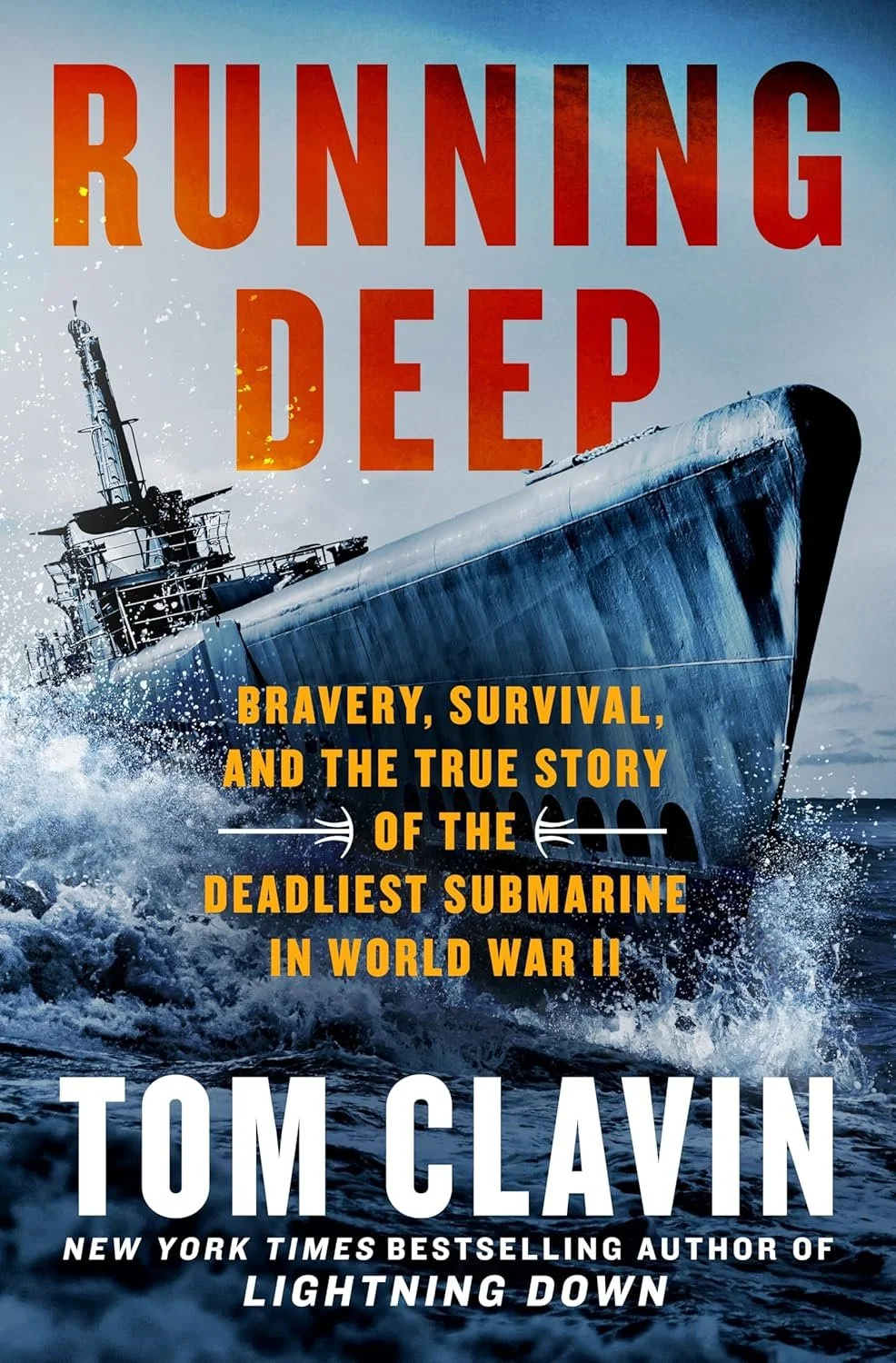
Running Deep: Bravery, Survival, and the True Story of the Deadliest Submarine in World War II
The true story of the deadliest submarine in World War II and the courageous captain who survived torture and imprisonment at the hands of the enemy.
There was one submarine that outfought all other boats in the Silent Service in World War II: the USS Tang. Captain Richard Hetherington O’Kane commanded the attack submarine that sunk more tonnage, rescued more downed aviators, and successfully completed more surface attacks than any other American submarine. These undersea predators were the first to lead the offensive rebound against the Japanese, but at great cost: Submariners would have six times the mortality rate as the sailors who manned surface ships.
The Tang achieved its greatest success on October 24, 1944, when it took on an entire Japanese convoy and destroyed it. But its 24th and last torpedo boomeranged, returning to strike the Tang. Mortally wounded, the boat sunk, coming to rest on the bottom, 180 feet down. After hours of struggle, nine of the 87 crewmen, including O’Kane, made it to the surface.
Captured by the Japanese, the Tang sailors joined other submariners and flyers – including Louis Zamperini and “Pappy” Boyington – at a “torture camp” whose purpose was to gain vital information from inmates and otherwise let them die from malnutrition, disease, and abuse. A special target was Captain O’Kane after the Japanese learned of the headlines about the Tang. Against all odds, when the camp was liberated in August 1945, O’Kane, at only 90 pounds, still lived. The following January, Richard O’Kane limped into the White House where President Truman bestowed him with the Medal of Honor.
This is the true story of death and survival in the high seas—and of the submarine and her brave captain who would become legends.