
World War II (1931-1945)
“The Second World War presented a mirror to the human condition which blinded anyone who looked into it.” — Norman Mailer, “The White Negro: Superficial Reflections on the Hipster” (1957)
Of the endless ocean of books on the Second World War, we have dozens and dozens of new and carefully chosen titles. I define it as beginning with the Japanese Empire’s invasion of Manchuria and ending with not only V-E and V-J Days but also the immediate crises of displaced people, the Soviet Union’s creation of the Iron Curtain, and the growing revelations of the extent of the Holocaust.
In significant ways the Second World War was the defining crucible of the 20th Century. The First World War was prelude, the legacy of the 19th Century’s imperialism, and the Cold War was the sequel. Of the making of books about it there is no end — but the persistence of good research and good writing, and good publication underscores the war’s centrality of the world we live in today and the world our descendents will live in for the foreseeable future.
Who Will Rescue Us?: The Story of the Jewish Children who Fled to France and America During the Holocaust
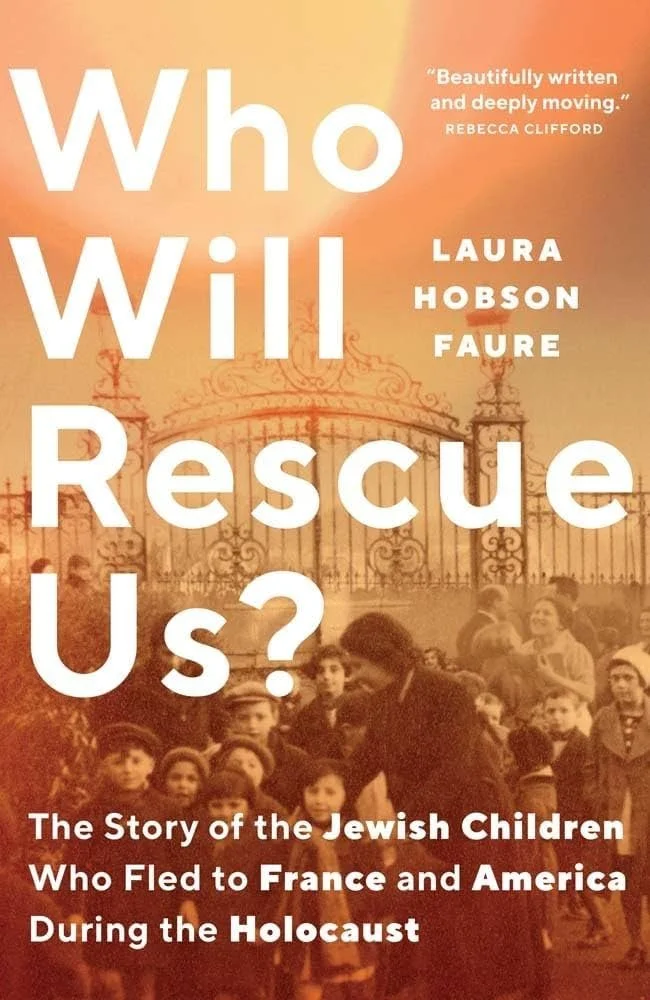
Who Will Rescue Us?: The Story of the Jewish Children who Fled to France and America During the Holocaust
The first comprehensive study of Jewish children’s flight from Nazi Germany to France—and their subsequent escape to America from the Vichy regime
At the eve of the Second World War, an estimated 1.6 million Jewish children lived in Nazi-occupied Europe. While 10,000 of them escaped to Britain in the Kindertransport, only some 500 found a new home in France. Here they attempted to begin again—but their refuge would all too soon become a trap.
For the first time, Laura Hobson Faure brings to life the experiences of these children, and the Jewish and non-Jewish organizations who helped them. Drawing on survivors’ testimonies as well as children’s diaries, letters, drawings, songs, and poems, Who Will Rescue Us? re-creates their complex journeys, including how some of them eventually found safety in America.
Hobson Faure paints a moving portrait of these children and their escape, uncovering their agency in the flight from Nazism—and knits together the network of the many who aided them along the way.